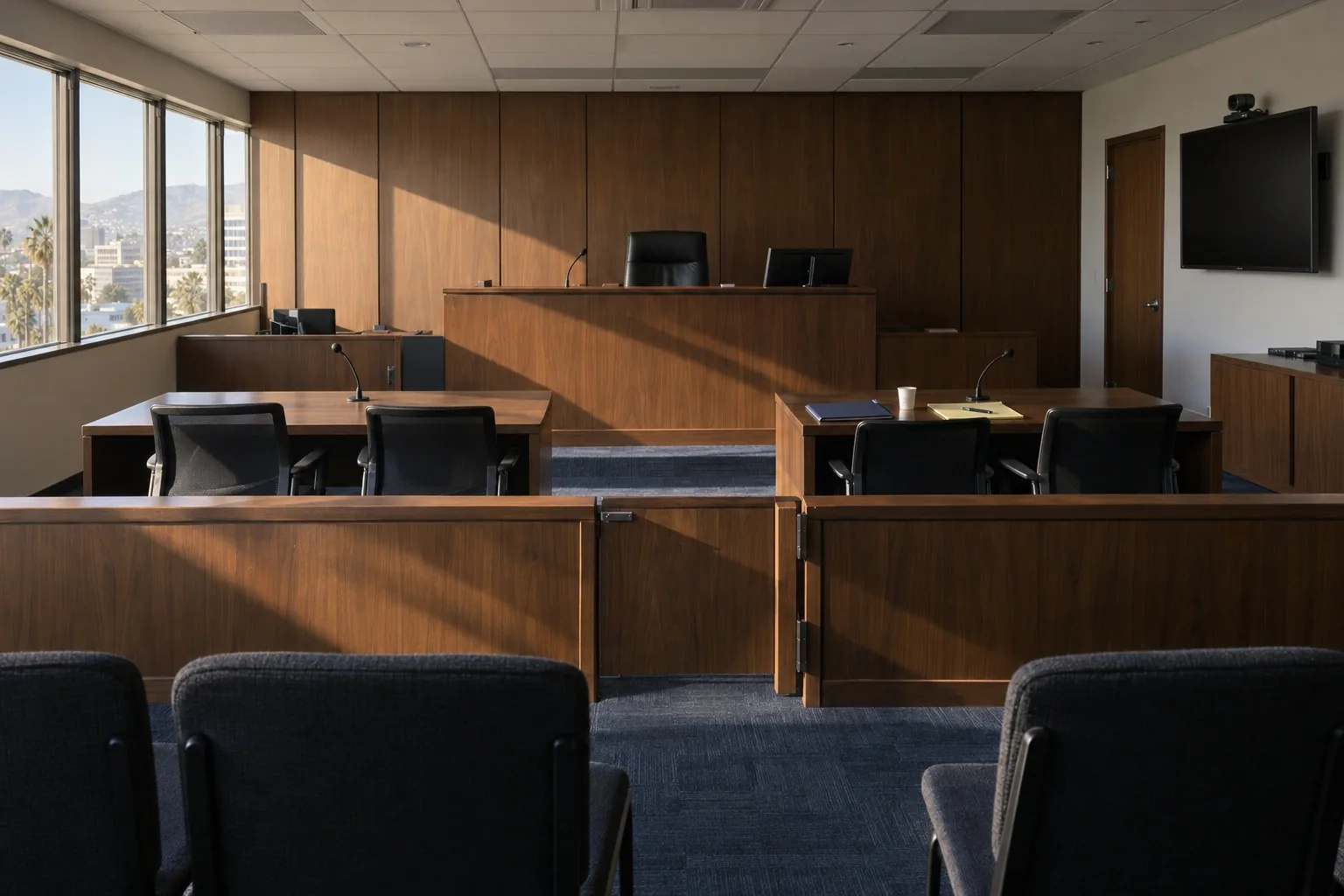



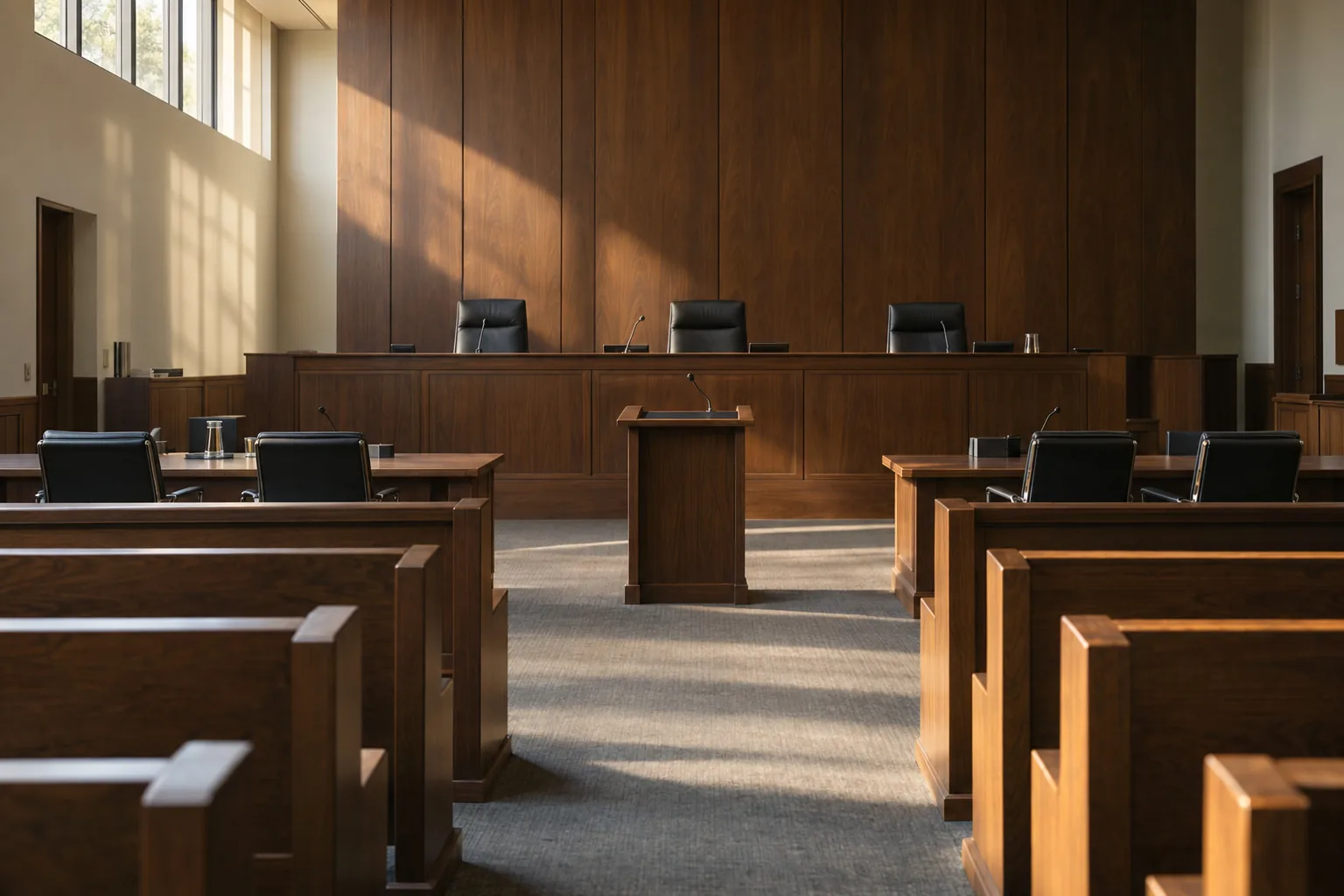




A master calendar hearing is a short, preliminary hearing in immigration court. The judge explains your rights, confirms your address and language, takes your pleadings to the charges in the Notice to Appear, asks what relief you plan to apply for, and sets deadlines and the next hearing date. Evidence and testimony are generally saved for the later individual (merits) hearing.
What is a master calendar hearing?
It is the first stage of a removal (deportation) case before an immigration judge. Many cases are scheduled on the same docket, so each one usually takes only a few minutes. A Department of Homeland Security (DHS) attorney appears for the government. A case often has more than one master calendar hearing before it is ready for an individual hearing.
What does the judge do at the first master calendar hearing?
- Explains your rights, including the right to be represented by a lawyer at no expense to the government, and provides a list of free legal service providers (8 C.F.R. § 1240.10(a)).
- Confirms your address and language. The court provides an interpreter at hearings.
- Takes pleadings to the factual allegations and the charge of removability.
- Asks which country you would be removed to, if removal is ordered.
- Asks what relief you will seek, such as asylum, cancellation of removal or adjustment of status, and sets deadlines to file the applications and evidence.
- Schedules the next hearing, either another master calendar hearing or the individual hearing.
What are pleadings?
Pleadings are your formal response to the Notice to Appear. You admit or deny each factual allegation, such as your country of citizenship or date of entry, and concede or contest the charge that you are removable (8 C.F.R. § 1240.10(c)–(d)). Mistakes in the notice can matter, so pleadings are usually entered after an attorney has reviewed the notice and your immigration history.
Do I need to file documents before the hearing?
For people who are not detained, EOIR’s Immigration Court Practice Manual generally requires filings to be submitted at least 15 days before a master calendar hearing if you want them considered at that hearing (Practice Manual ch. 3.1(b)). In detained cases, the court sets the deadlines. The judge can change any deadline, so follow what the judge orders in your case.
Do I have to attend if I have a lawyer?
Usually, yes, unless the court tells you otherwise. Under the Practice Manual, when an attorney files a notice of appearance (Form EOIR-28) at least 15 days before a non-detained master calendar hearing, the hearing is generally vacated and written pleadings are filed instead (Practice Manual ch. 3.1(b)(1)(B)). Do not assume your hearing is cancelled: confirm it with your attorney or through EOIR’s Automated Case Information portal.
Can I ask for more time?
A judge may grant a continuance for good cause shown (8 C.F.R. § 1003.29), for example to find a lawyer or gather documents. It is not automatic, and requests are best made in writing, before the hearing, with a reason.
What happens if I miss my master calendar hearing?
The judge can order you removed in absentia, meaning in your absence. That order can be challenged with a motion to reopen in limited circumstances: within 180 days for exceptional circumstances, or at any time if you did not receive proper notice (INA § 240(b)(5)(C)). See how removal defense works.
What happens after the master calendar hearing?
Once the applications and evidence are filed, the case moves to an individual (merits) hearing. That is the trial: testimony, cross-examination by the DHS attorney, and the judge’s decision. If the judge rules against you, the decision can be appealed to the Board of Immigration Appeals; see how to appeal to the BIA.
How can Nassiripour Law Firm help with a master calendar hearing?
Nassiripour Law Firm provides attorney-led immigration representation, combining Ali R. Nassiripour’s legal experience and strategic oversight with the dedicated support of the firm’s paralegals and legal staff. Each case is approached with careful preparation, individualized legal analysis, and a commitment to protecting the client’s rights throughout the immigration process.
For a master calendar hearing, that typically means reviewing the Notice to Appear and immigration history before pleadings are entered, identifying the forms of relief that may be available, and preparing and filing applications on the court’s deadlines.
Related: Santa Ana Immigration Court guide · Deportation and removal defense · Family member detained by ICE
How to reach Nassiripour Law Firm
Nassiripour Law Firm, 15615 Alton Parkway, Suite 450, Irvine, CA 92618. Phone (718) 916-4407, or use the contact form. Ali R. Nassiripour speaks English, Farsi and French. Staff also assist clients in Spanish, Hindi, Punjabi, Mandarin and Arabic.
Attorney advertising. This page is general information about U.S. immigration law, not legal advice, and the law in this area changes often. Reading it, or contacting the firm, does not create an attorney-client relationship. Every case depends on its own facts, and no outcome can be promised. Ali R. Nassiripour is licensed in New York; his practice is limited to federal immigration law.