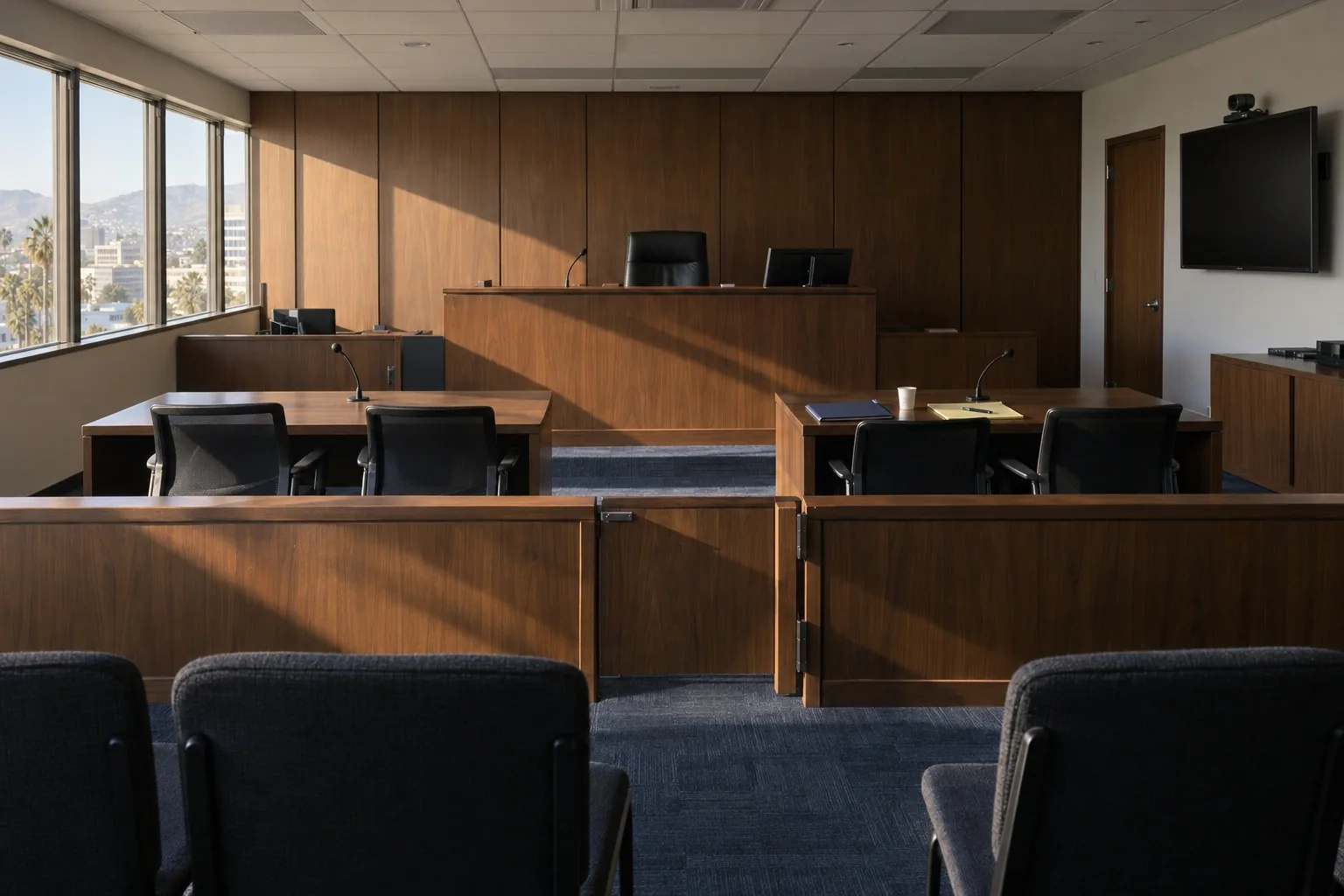



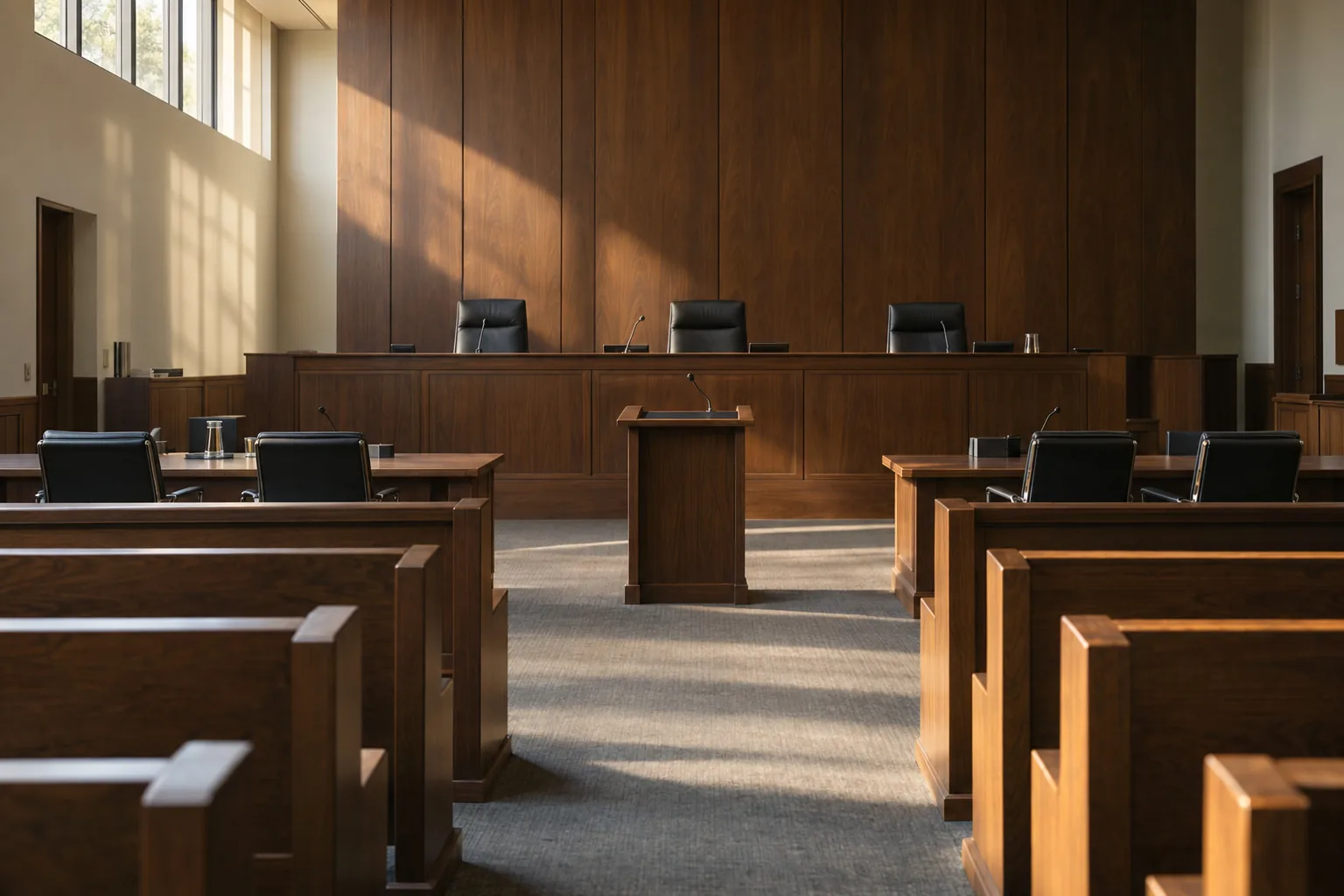




An individual hearing, also called a merits hearing, is the trial in an immigration court case. The immigration judge hears your testimony and any witnesses, reviews the evidence, allows the Department of Homeland Security (DHS) attorney to cross-examine, and then decides whether you qualify for the relief you applied for, such as asylum or cancellation of removal. The judge may rule at the end of the hearing or later in writing.
What is an individual (merits) hearing?
A removal case usually begins with one or more short master calendar hearings, where pleadings are taken and deadlines are set. Once applications and evidence are filed, the judge schedules an individual hearing. It is reserved for one case and lasts much longer, often several hours. It is the main opportunity to prove the case.
What has to be filed before the hearing?
- Applications for relief, such as Form I-589 for asylum or Form EOIR-42B for cancellation of removal, filed by the deadline the judge set.
- Supporting evidence: identity documents, declarations, country-conditions reports, medical or police records, tax and employment records, letters, and expert reports where relevant. Documents in a foreign language need a certified English translation (8 C.F.R. § 1003.33).
- A witness list, if witnesses will testify.
- Biometrics, completed as DHS instructs, if the application requires them (8 C.F.R. § 1003.47).
For people who are not detained, EOIR’s Immigration Court Practice Manual generally requires filings to be submitted at least 30 days before an individual hearing, and responses to the other side’s filings within 15 days after. In detained cases, the court sets the deadlines. The judge can change any deadline, so follow what the judge orders in your case. Late evidence may not be considered.
What happens at the hearing?
- The judge marks the exhibits and confirms which applications are being decided.
- You testify, usually first questioned by your attorney, then cross-examined by the DHS attorney. The judge may also ask questions. An interpreter is provided by the court.
- Witnesses testify, if any, in person, by phone or by video as the judge allows.
- Both sides may make closing arguments, orally or in writing.
Hearings may be held in person or by video (8 C.F.R. § 1003.25(c)). Check the hearing notice and EOIR’s Automated Case Information portal for the format and location.
Who has to prove what?
When DHS charges that a person who was admitted is deportable, DHS must prove it by clear and convincing evidence (INA § 240(c)(3)(A)). A person applying for relief must prove they meet every requirement and, where the relief is discretionary, that it should be granted (INA § 240(c)(4)(A)). The judge decides credibility based on all the circumstances, including consistency between testimony, written statements and other evidence (INA § 240(c)(4)(C)), so careful preparation of testimony and documents matters.
When does the judge decide?
Many judges give an oral decision at the end of the hearing. Others issue a written decision later. Possible outcomes include a grant of relief, a grant of voluntary departure (INA § 240B), or an order of removal. If the hearing cannot be finished, the judge may set another date.
What if I am not ready, or cannot attend?
A judge may grant a continuance for good cause shown (8 C.F.R. § 1003.29), but individual hearings are hard to reschedule, and a continuance is not automatic. Missing an individual hearing can lead to an order of removal in your absence (INA § 240(b)(5)). Any request should be made in writing, as early as possible, with a reason and supporting documents.
What if the judge rules against me?
The decision can be appealed to the Board of Immigration Appeals. The Notice of Appeal must be received within 30 days of the decision. See how to appeal to the BIA.
How can Nassiripour Law Firm help with an individual hearing?
Nassiripour Law Firm provides attorney-led immigration representation, combining Ali R. Nassiripour’s legal experience and strategic oversight with the dedicated support of the firm’s paralegals and legal staff. Each case is approached with careful preparation, individualized legal analysis, and a commitment to protecting the client’s rights throughout the immigration process.
For an individual hearing, that typically means organizing and filing the evidence on the court’s deadlines, preparing you and your witnesses to testify and to answer cross-examination, presenting the case to the judge, and advising on next steps after the decision.
Related: Deportation and removal defense · Asylum, withholding of removal and CAT · Master calendar hearings · BIA appeals
How to reach Nassiripour Law Firm
Nassiripour Law Firm, 15615 Alton Parkway, Suite 450, Irvine, CA 92618. Phone (718) 916-4407, or use the contact form. Ali R. Nassiripour speaks English, Farsi and French. Staff also assist clients in Spanish, Hindi, Punjabi, Mandarin and Arabic.
Attorney advertising. This page is general information about U.S. immigration law, not legal advice, and the law in this area changes often. Reading it, or contacting the firm, does not create an attorney-client relationship. Every case depends on its own facts, and no outcome can be promised. Ali R. Nassiripour is licensed in New York; his practice is limited to federal immigration law.