







A Notice to Appear (Form I-862) is the document the Department of Homeland Security (DHS) uses to start removal (deportation) proceedings in immigration court. It lists the factual allegations against you and the legal charges for removal, and it tells you to appear before an immigration judge. If you receive one, check the hearing date with the immigration court, keep your address up to date with the court, never miss a hearing, and speak with an immigration attorney before your first hearing.
What is a Notice to Appear?
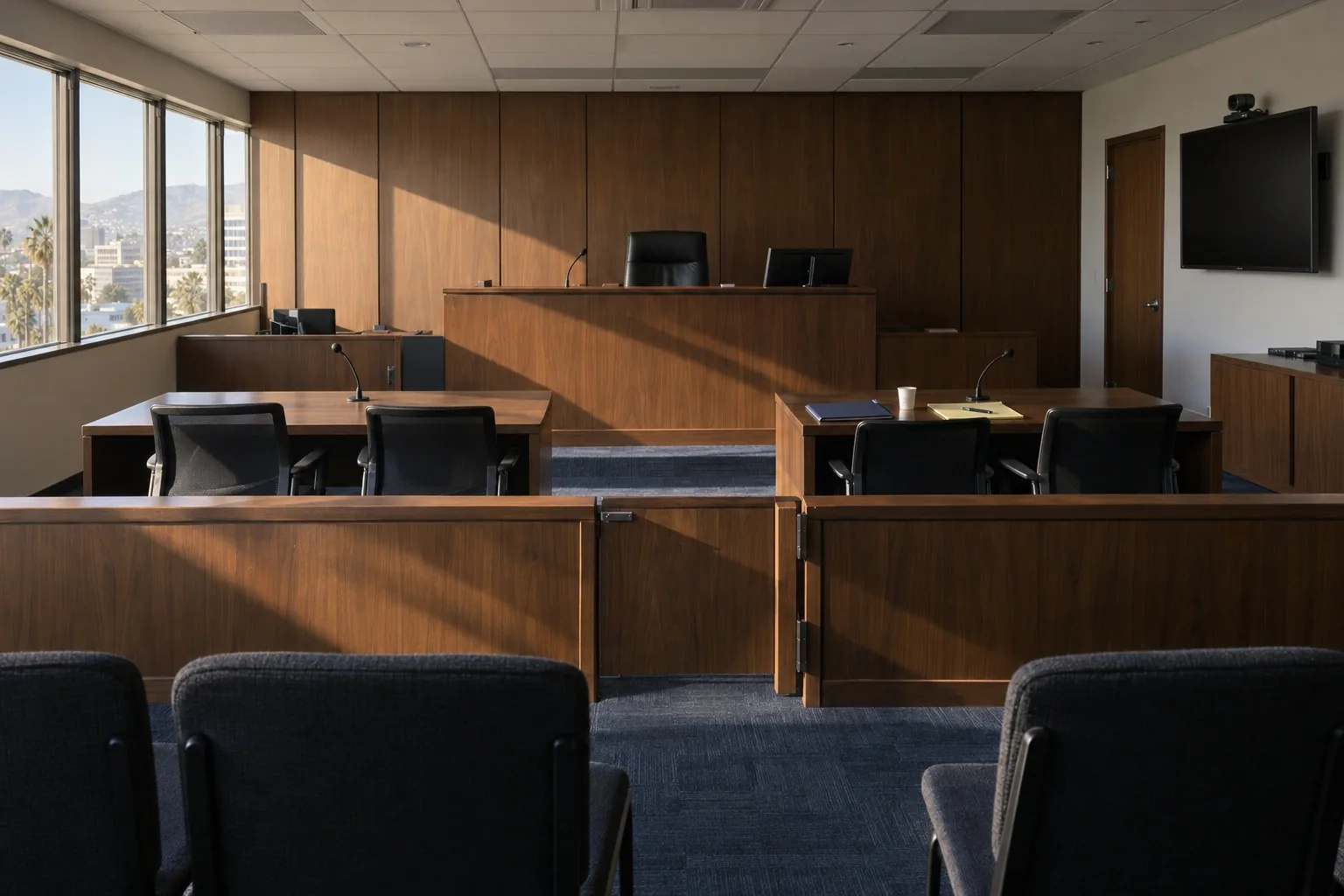
A Notice to Appear (NTA) is the charging document in a removal case. It is issued by DHS, usually by ICE, USCIS or Customs and Border Protection, and removal proceedings begin when DHS files it with an immigration court (8 C.F.R. § 1003.14(a)). The case is then heard by an immigration judge of the Executive Office for Immigration Review (EOIR), part of the U.S. Department of Justice. In Orange County, that is usually the Santa Ana Immigration Court.
What does a Notice to Appear say?
Under INA § 239(a)(1), a Notice to Appear must state, among other things:
- The factual allegations, such as your country of citizenship, the date and manner of your entry, or that you stayed past an authorized period.
- The charges: the sections of the Immigration and Nationality Act that DHS says make you removable, for example INA § 212(a)(6)(A)(i) (present without being admitted) or INA § 237(a)(1)(B) (remained longer than permitted).
- Your right to a lawyer at no expense to the government, with a list of free legal service providers.
- Your duty to give the court your address and to report any change.
- The consequences of not appearing, and the time and place of the hearing.
What should I do first?
- Read it carefully and check your name, date of birth, country and the allegations. Errors can matter later.
- Find your hearing date. Use EOIR’s Automated Case Information portal or call 1-800-898-7180 with your A-number. If no case appears, DHS may not have filed the notice with the court yet; keep checking.
- Keep your address current. If you move, file Form EOIR-33 with the immigration court within five working days (8 C.F.R. § 1003.15(d)(2)), and also update your address with DHS. Hearing notices go to the last address the court has.
- Do not miss a hearing. If you do not appear, the judge can order you removed in your absence (INA § 240(b)(5)).
- Talk to an immigration attorney before your first hearing, so the notice and your history can be reviewed before you answer the charges.
What happens at the first hearing?
The first hearing is a short master calendar hearing. The judge explains your rights, confirms your address and language, and takes your pleadings: you admit or deny each allegation and concede or contest each charge. The judge then asks what relief you will apply for and sets deadlines.
What if the Notice to Appear has no hearing date, or has mistakes?
Some notices list the date and time “to be set,” and the court later sends a separate hearing notice. The U.S. Supreme Court has held that a Notice to Appear without the time and place of the hearing does not stop the clock on the continuous-presence requirement for cancellation of removal (Pereira v. Sessions, 585 U.S. 198 (2018); Niz-Chavez v. Garland, 593 U.S. 155 (2021)). Incorrect allegations or charges can be denied, and in some cases a defective notice can support a motion to terminate. Whether any of this helps depends on the facts, so it should be reviewed by an attorney.
Can I be detained after receiving a Notice to Appear?
Yes. ICE can detain some people while their case is pending, and an NTA is sometimes served at the time of arrest. If a family member has been detained, see what to do when a family member is detained by ICE.
Do other deadlines still apply?
Yes. Receiving a Notice to Appear does not pause other deadlines. For example, the one-year deadline to apply for asylum generally keeps running. See asylum, withholding of removal and CAT.
How can Nassiripour Law Firm help after a Notice to Appear?
Nassiripour Law Firm provides attorney-led immigration representation, combining Ali R. Nassiripour’s legal experience and strategic oversight with the dedicated support of the firm’s paralegals and legal staff. Each case is approached with careful preparation, individualized legal analysis, and a commitment to protecting the client’s rights throughout the immigration process.
After a Notice to Appear, that typically means reviewing the notice and your immigration history before pleadings are entered, checking the allegations and charges for errors, identifying the defenses and forms of relief that may be available, and appearing with you at the master calendar hearing.
Related: Deportation and removal defense · Master calendar hearings · Santa Ana Immigration Court guide
How to reach Nassiripour Law Firm
Nassiripour Law Firm, 15615 Alton Parkway, Suite 450, Irvine, CA 92618. Phone (718) 916-4407, or use the contact form. Ali R. Nassiripour speaks English, Farsi and French. Staff also assist clients in Spanish, Hindi, Punjabi, Mandarin and Arabic.
Attorney advertising. This page is general information about U.S. immigration law, not legal advice, and the law in this area changes often. Reading it, or contacting the firm, does not create an attorney-client relationship. Every case depends on its own facts, and no outcome can be promised. Ali R. Nassiripour is licensed in New York; his practice is limited to federal immigration law.